Local Sites of Special Scientific Interest (SSSIs)
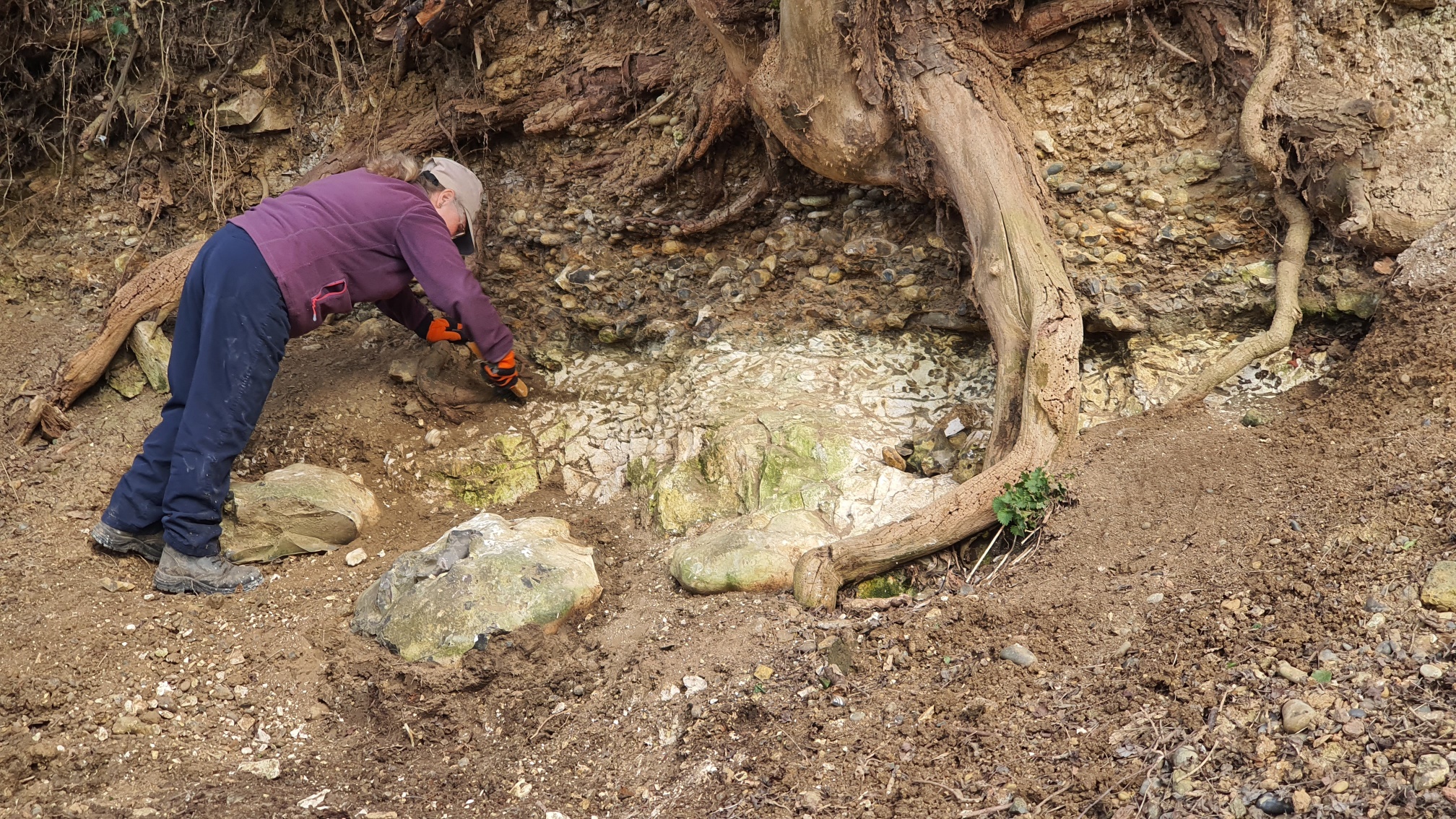
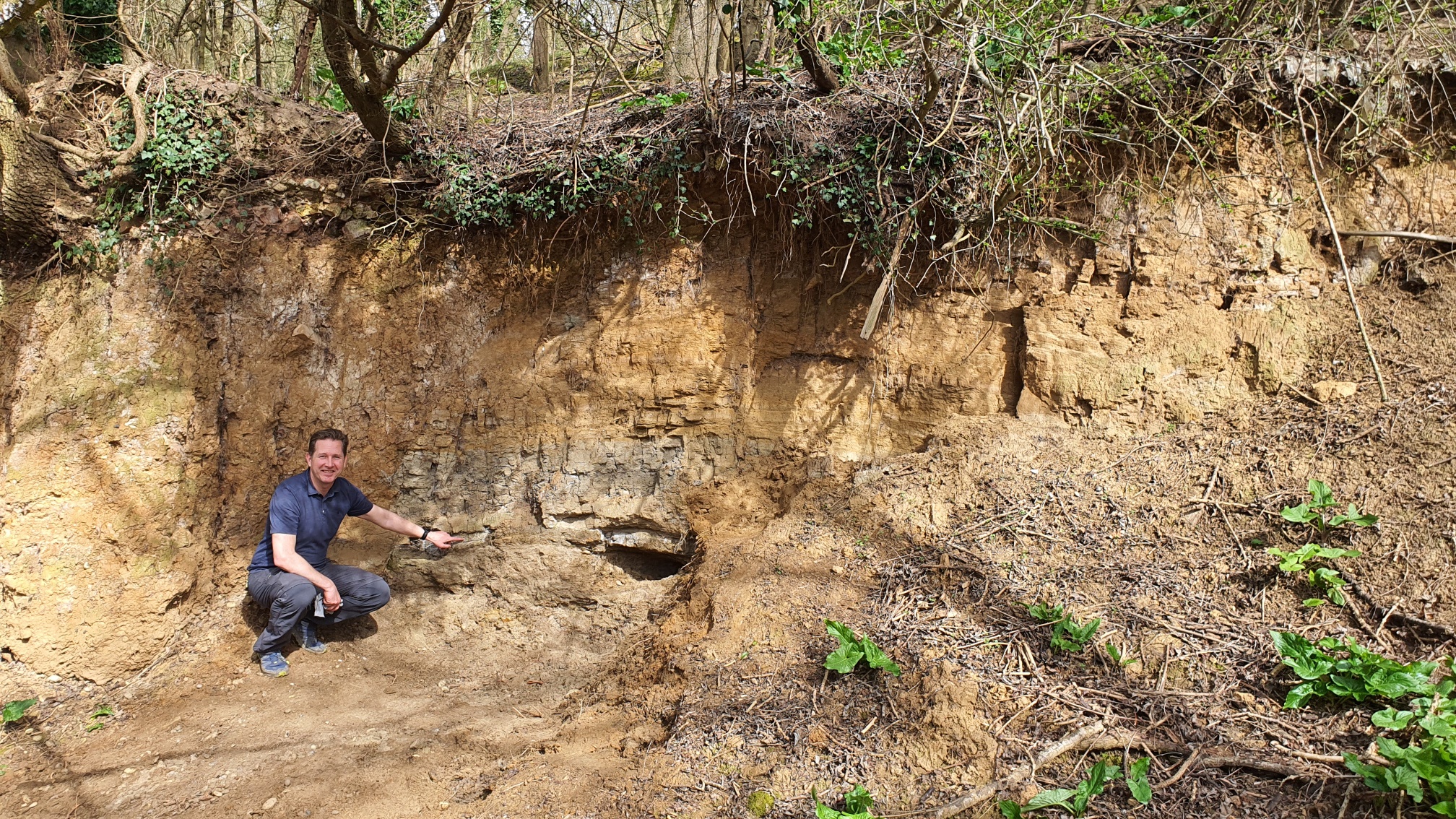
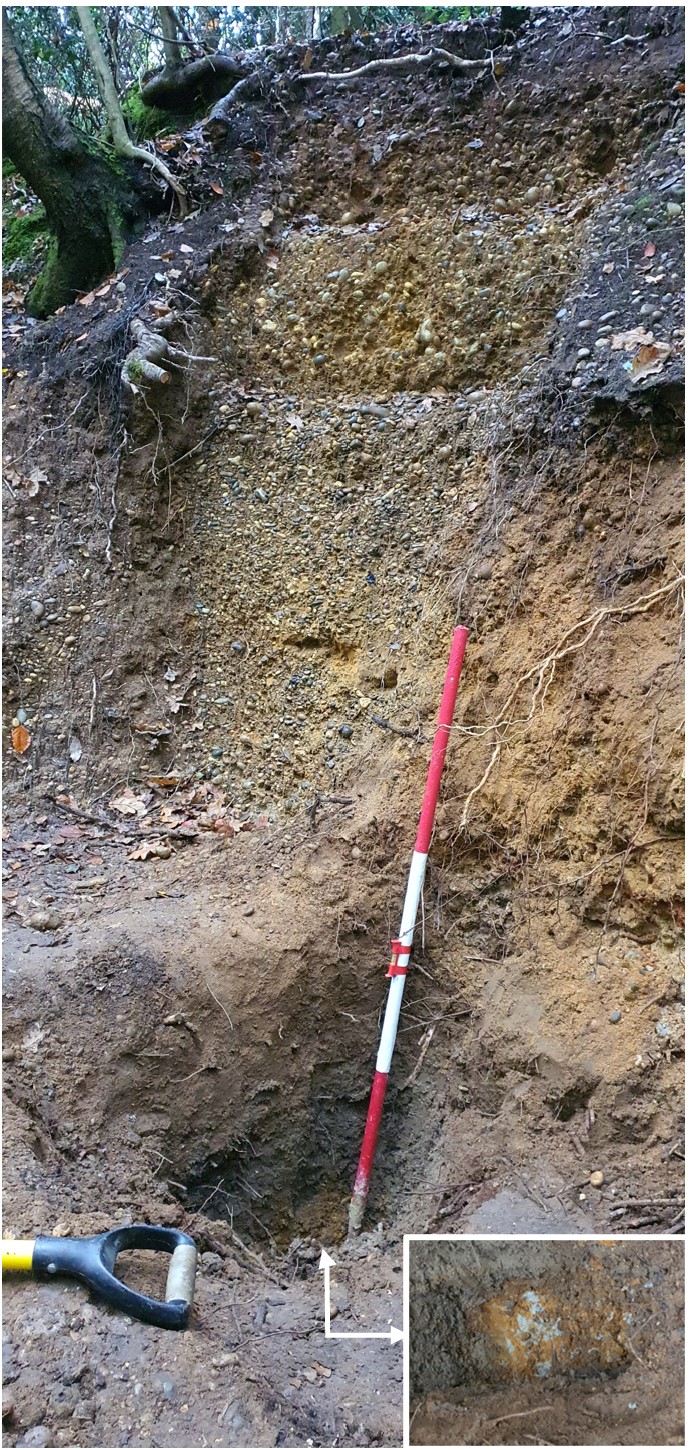
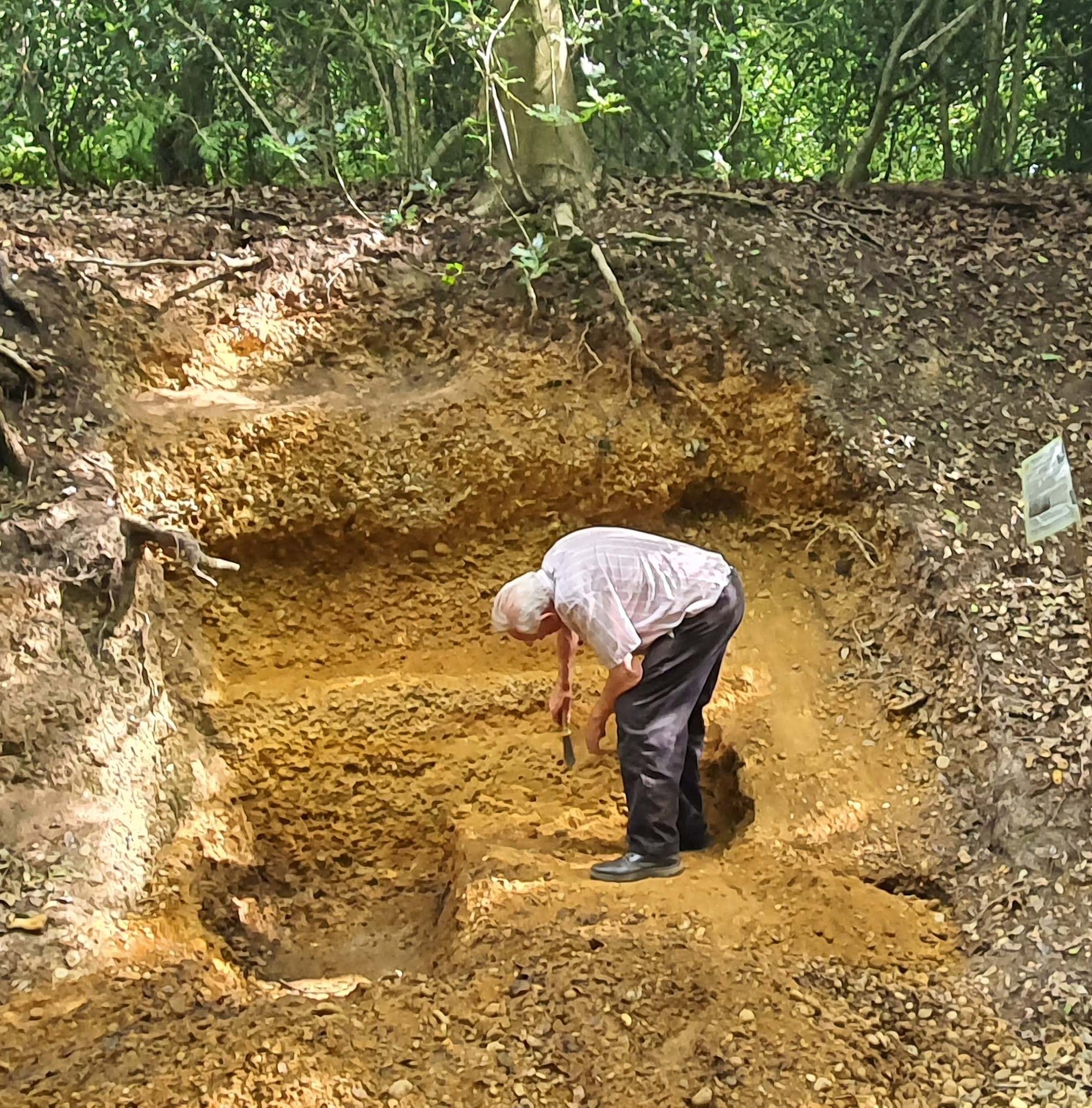
There are two sites of geological importance in our area: Harefield Great Pit and Harrow Weald.
The London Borough of Hillingdon has a high concentration of SSSIs important for biodiversity, underpinned by the local geology:
There are two sites of geological importance in our area: Harefield Great Pit and Harrow Weald.
The London Borough of Hillingdon has a high concentration of SSSIs important for biodiversity, underpinned by the local geology:
- Chalk appears at the surface in various locations - it is a soil conditioner, reducing acidity
- The area is covered with clay, silt, sand and gravel allowing ancient woodlands to thrive
- Former gravel pits and chalk quarries provide new wetland habitats
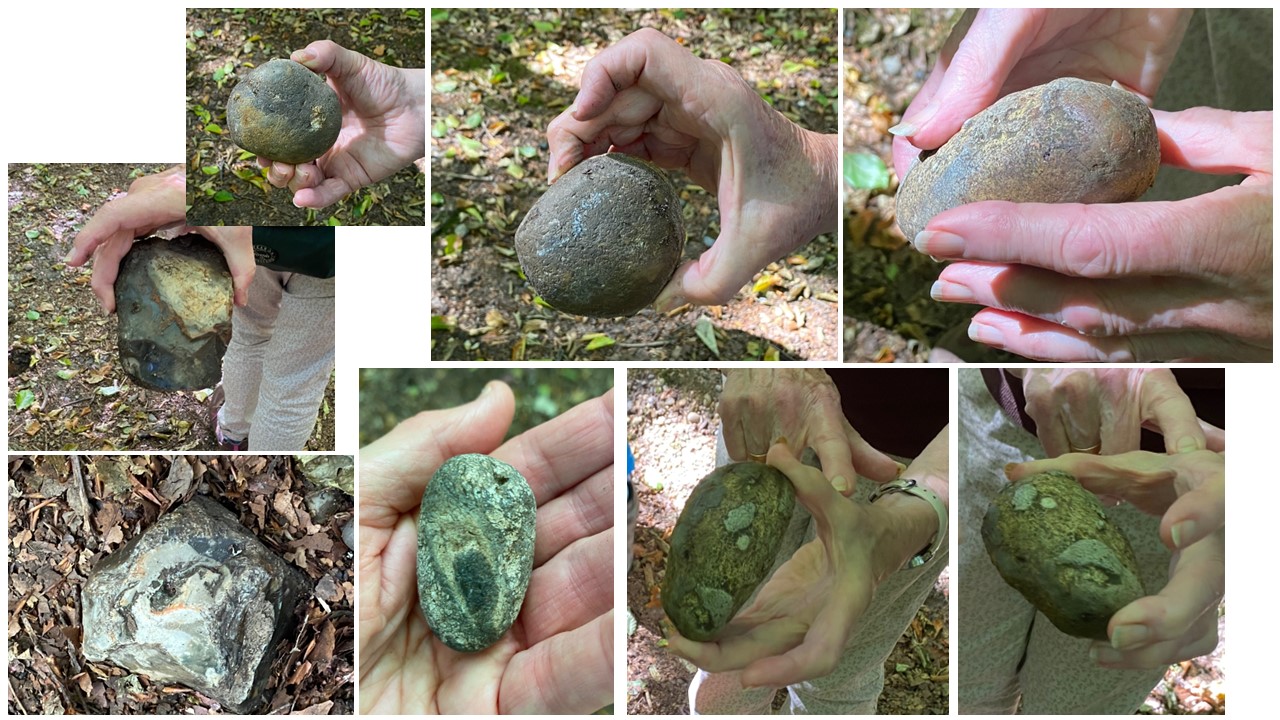
- Huge flint boulders are found across the region, essential to early human occupation
- The Colne Valley rivers, canals and lakes form our western flank joining the Thames just south of our area